
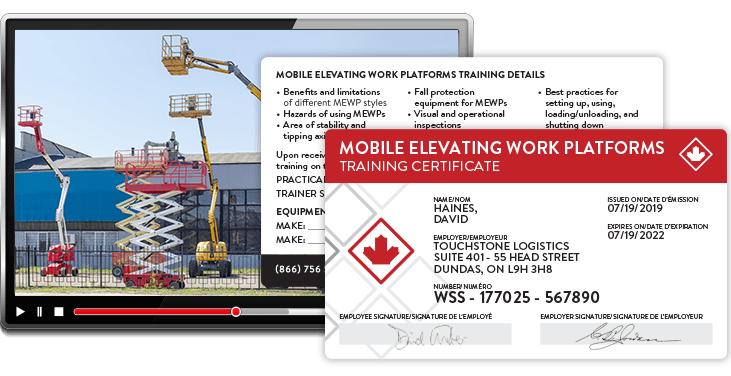
Tree trimming is a high-risk profession that requires specialized equipment, including boom lifts, to reach elevated branches safely. However, operating a boom lift comes with significant hazards. Workers and employers face severe consequences without proper training, including fines, lawsuits, and workplace injuries.
Common Hazards of Operating Boom Lifts in Tree Trimming
Tip-Overs Due to Unstable Terrain or Improper Use
- Boom lifts can tip over if used on uneven ground, soft soil, or slopes, often due to:
- Failing to conduct a pre-use inspection
- Overloading the platform
- Extending the boom beyond safe limits
Electrocution Hazards Near Power Lines
- Working near power lines is extremely dangerous. A boom lift operator who accidentally touches a live wire can suffer fatal electrocution.
Falls from Heights
- Workers must wear fall protection equipment such as harnesses and lanyards when operating boom lifts. A sudden movement or equipment failure can lead to a deadly fall if safety protocols aren’t followed.
Employer Responsibilities for Boom Lift Training
Employers must provide CSA-compliant boom lift training, ensure pre-operation inspections are conducted, maintain equipment in safe working condition, and enforce fall protection and electrical safety measures. Failure to comply can result in:
- Heavy fines (up to $500,000 under the Canada Labour Code)
- Workplace shutdowns
- Criminal charges in cases of negligence
Appropriate certification for tree trimmers ensures workers understand the hazards associated with the equipment, pre-operation inspections, load capacity limits, emergency procedures, and electrical hazard avoidance.
Don’t wait for an accident to happen!
Invest in safety today by enrolling your team in an online course on Mobile Elevating Work Platforms to reduce workplace injuries, avoid costly fines, and keep your team safe.